Entry · Ref MFOIXPFB
The Secret to Juicy and Flavorful Hot Dogs
- Posted
- 2026-11-09
- Last amended
- 2026-11-09
- Account
- @josueelyc593

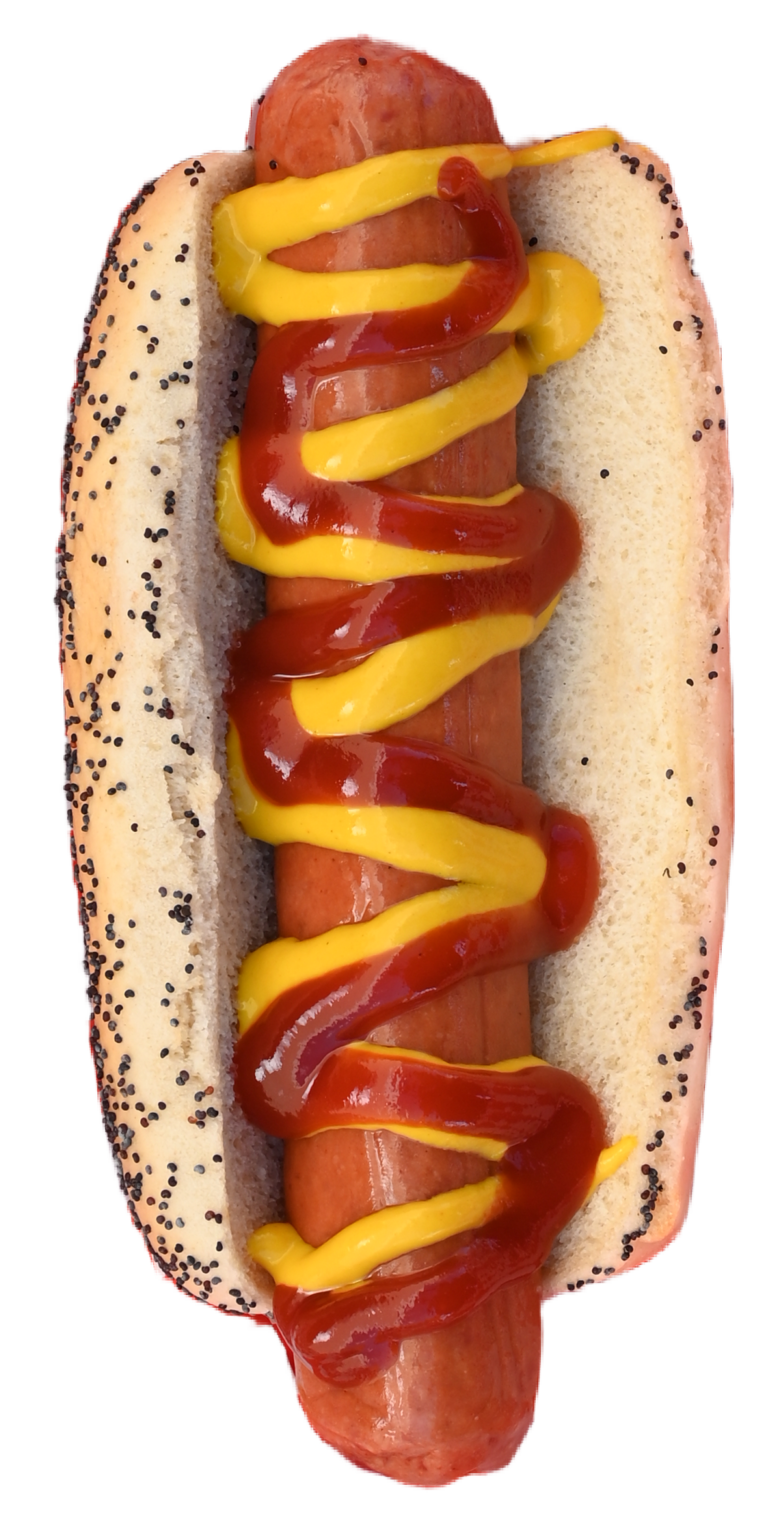
A great hot dog seems simple until you eat one that is dry, split, and oddly bland. Then the difference becomes obvious. The best hot dogs snap when you bite into them, stay moist from end to end, and carry enough savory depth that they do not need to hide under a pile of toppings. That result is not luck. It comes from understanding what a hot dog is, how it behaves under heat, and where small mistakes quietly ruin the final bite.
People tend to focus on condiments because they are visible. Mustard, relish, onions, chili, kraut, pickles, slaw, cheese sauce, and peppers all have their place. Yet none of them can rescue a sausage that has been scorched until its fat runs out or steamed until the casing goes slack. The real secret to juicy and flavorful hot dogs is controlling fat, moisture, and heat, then building flavor in layers instead of trying to dump it on at the end.
That sounds technical, but it is practical kitchen work. Once you understand a few principles, whether you are cooking for two people on a weeknight or serving a backyard crowd, your hot dogs improve immediately.
What makes a hot dog juicy in the first place
A hot dog is an emulsified sausage. In plain terms, finely ground meat, fat, seasoning, and water are mixed until they form a stable, smooth mixture. When that mixture is cooked correctly, the proteins set and hold onto moisture and fat. When it is cooked poorly, that balance breaks. The fat leaks, the interior tightens, and the sausage becomes mealy or dry.
That is why high heat can be such a problem. People often think char equals flavor, and to a point it does. Browning adds roasted notes and texture. But a hot dog is not a thick steak. It has very little room for error. A few extra minutes over aggressive heat can push it from juicy to shriveled fast.
Casing matters, too. Natural casing hot dogs usually deliver the famous snap because the casing is made from cleaned intestines, traditionally sheep for smaller sausages. Skinless dogs lose that crisp bite, but they can still be juicy and flavorful if handled gently. You do not need natural casing to make a good hot dog, but if texture matters to you, it is worth seeking out.
Fat content is another quiet factor. Leaner hot dogs can taste cleaner, but they are less forgiving. A dog with a little more fat generally stays succulent more easily. That does not mean greasy. It means balanced. In professional kitchens, cooks learn quickly that the product itself sets the ceiling. If you start with a cheap, low character hot dog, perfect technique can improve it, but only so much.
Start with the right dog, not the right topping
If you care about flavor, read the package before you plan the toppings. Beef hot dogs usually bring a more assertive, savory profile. Pork and beef blends tend to taste rounder and slightly sweeter. All-beef dogs stand up beautifully to bold condiments like spicy mustard, onions cooked in beer, or chili. Milder mixed-meat dogs often work better with classic deli toppings or a softer bun.
Brand preferences get personal very quickly, and regional loyalties are fierce, but a few signs of quality are consistent. A good hot dog should smell clean and meaty out of the package, not sour or overly smoky unless that is the style. The surface should look plump, not dull and collapsed. Once heated, the texture should be cohesive and springy, not grainy.
If you have access to a butcher or a specialty market, ask for natural casing franks and cook a few brands side by side. That kind of tasting teaches more than any label. I have done this before summer events, and the differences are never subtle. One brand might have an excellent snap but weak seasoning. Another may taste fantastic but split too easily on the grill. Finding your house hot dog is worth the effort if you serve them often.
Heat is the entire game
Most failures come down to heat management. A hot dog is already cooked when you buy it in most cases. Your job is to reheat it thoroughly, encourage a bit of browning if you want that flavor, and stop before the interior dries out.
The sweet spot is moderate heat. On a grill, that means not placing the dogs directly over the hottest flames for the entire cook. In a skillet, it means resisting the urge to crank the burner. In water, it means a gentle heat rather than a rolling boil. The common thread is simple: you want the hot dog to warm through before the exterior toughens.
Boiling is the worst offender when done carelessly. A violent boil batters the casing and encourages splitting. It can also wash away some surface flavor. That said, hot dogs simmered gently can be excellent, especially if finished elsewhere for color. Street vendors have known this forever. A long, gentle hold in hot liquid keeps dogs ready to serve without wrecking them.
Grilling has the most upside and the most risk. It adds smoke, caramelization, and visual appeal, but it can destroy a good hot dog if the fire is too hot. Flames licking the casing make people think they are getting flavor. Often they are just getting burnt sugar and leaked fat. The better move is to cook over medium heat and turn frequently. Let the surface color slowly. If flare-ups start, shift the dogs to a cooler zone and give the fire a moment.
Skillet cooking is underrated. A little oil or butter in a pan over medium heat produces even browning and excellent control. You can add a splash of water partway through and cover briefly if you want the interior to warm without darkening the outside too quickly. For home cooks without a grill, it is one of the best methods available.
The case for a two-stage cook
When I need consistency, especially for a group, I rely on a two-stage method. First, I heat the hot dogs gently until they are warmed through. Then I finish them quickly with direct heat for color and texture. This works on a grill, in a skillet, or even with a broiler as the second stage.
The reason it works is straightforward. Gentle heat preserves moisture. Quick finishing creates the appealing exterior. Trying to do both at once over high heat is where things go wrong.
For example, if you simmer hot dogs just below a boil for several minutes and then move them to a moderately hot grill for a short finish, you get plump interiors and a lightly blistered outside. The casing tightens just enough, but the inside does not dry out. The same principle works if you warm them in a covered skillet with a spoonful of water, then uncover and let the pan do the browning.
This is especially useful with thicker franks. Jumbo hot dogs need more time for the center to heat. If you skip the first stage, you often end up with a dark exterior and a lukewarm middle. Nobody wants that.
The split question
Some cooks score hot dogs with shallow cuts before cooking. Some split them lengthwise. Some leave them untouched. There is no universal rule, only trade-offs.
Scoring increases surface area, which means more browned edges and more places for condiments to cling. It can be attractive on the grill, particularly with larger dogs. The downside is moisture loss. Every cut is a path for juices to escape.
Lengthwise splitting has its own appeal. A butterflied hot dog can be crisped flat in a skillet or on a griddle, creating a lot of browned surface. This style works beautifully for chili dogs and cheese-heavy builds because the opened shape nests into the bun and catches toppings. Still, it sacrifices some of the classic hot dog bite and juiciness.
If your main goal is a juicy, flavorful hot dog, leave it whole unless you have a specific reason not to. Whole dogs retain moisture better, and natural casing rewards that choice.
Buns are not a side detail
A dry bun can ruin a juicy sausage just as efficiently as bad cooking. The contrast matters. You want softness, slight warmth, and enough structure to hold toppings without turning gummy.
Freshness is everything. Stale buns crumble and steal moisture from the hot dog. Very sweet buns can overwhelm a strongly seasoned beef frank. Dense bakery rolls can be excellent for loaded dogs, but they can also dominate the bite. In many cases, a simple, soft bun is ideal because it frames rather than competes.
Toasting is useful, but it needs restraint. A lightly toasted interior adds texture and creates a barrier against wet condiments. Over-toast it, and the bun shatters or becomes chewy. One of the best methods is brushing the cut sides lightly with butter and placing them on a warm griddle for less than a minute. You are after warmth and a faint golden edge, not hard crust.
Steam is another path. If you like the classic ballpark style, a brief steam gives the bun tenderness and flexibility. This is particularly good with mustard, onions, or kraut because the bun conforms around the fillings rather than cracking open.
Condiments should support the hot dog, not bury it
There is a reason the best dressed hot dogs still let the sausage lead. The meat should remain the center of the experience. Toppings are accents, not camouflage.
Mustard is a natural partner because its acidity cuts richness. Relish contributes sweetness and brightness. Sauerkraut adds tang and texture. Raw onion brings bite, while grilled or griddled onions add sweetness and depth. Chili turns the whole thing into a richer meal, but it also risks overwhelming subtler franks, so it pairs best with strongly seasoned dogs.
I learned this the hard way cooking for a neighborhood gathering years ago. I put out a pot of aggressively spiced chili with a mild pork and beef frank, thinking the combination would satisfy everyone. People enjoyed it, but when we switched to an all-beef dog halfway through the service, the entire station improved. The beef flavor stood up to the chili and suddenly the toppings made sense. The lesson stuck. Build from the sausage outward.
Here is a practical way to think about pairings:
- Bold beef hot dogs can handle sharp mustard, chili, kraut, and grilled onions.
- Milder mixed-meat hot dogs pair better with relish, yellow mustard, chopped onion, and pickles.
- Spicy toppings need a hot dog with enough salt and seasoning to stay noticeable.
- Wet toppings demand a bun with some structure or a light toast.
- Delicate regional styles work best when each component stays in proportion.
That last point matters. Certain famous regional hot dogs succeed because they are balanced with discipline. Once quantities get sloppy, the whole thing turns heavy.
Salt, smoke, and the illusion of flavor
Many people chase flavor by adding more toppings when the actual problem is a weak cooking method. Properly heated hot dogs develop their own savory aroma. Browning contributes nuttiness. Smoke from charcoal or hardwood adds complexity, but too much smoke can taste acrid on something as small as a hot dog.
Salt is already present in most franks, often at a level that defines the product. You rarely need to add more directly. Instead, think about contrast. Acid, sweetness, bitterness, and heat from peppers all help the hot dog taste more vivid. A spoonful of onion cooked down slowly in a little oil can do more for perceived flavor than a blanket of shredded cheese.
If you want to deepen flavor without drying the dog, consider the cooking medium. Simmering in beer is popular, but it is often oversold. Beer can lend aroma, especially malty or lightly bitter notes, but the effect is subtle. Adding sliced onion to the liquid contributes more obvious flavor to the overall setup, especially if you later serve those onions on the bun. The same goes for simmering in broth. It can be pleasant, but it will not transform a mediocre frank into a remarkable one.
Smoke, on the other hand, can genuinely elevate a hot dog when used lightly. A charcoal grill with the lid closed for part of the cook gives enough exposure to make the sausage smell outdoorsy and complete. Heavy wood smoke for a prolonged time usually overwhelms the product.
Common mistakes that quietly dry out a hot dog
A few habits account for most disappointing results:
- Cooking over heat that is too high from start to finish.
- Piercing the hot dog repeatedly, which lets juices escape.
- Boiling aggressively instead of heating gently.
- Leaving cooked hot dogs sitting uncovered until service.
- Using old buns or piling on cold, wet toppings without balance.
The holding issue deserves more attention than it gets. For a party, hot dogs are often cooked in batches and then abandoned on a platter while people drift toward the grill. Ten minutes of exposure can take the edge off quality. If you must hold them, keep them warm in a covered pan or in shallow hot liquid at low heat. That small adjustment preserves moisture and makes the last hot dog nearly as good as the first.
Timing for a crowd
Cooking for a crowd changes the equation. Precision matters more because inconsistency multiplies. One or two split hot dogs at home are forgettable. Twenty dry ones at a cookout become the thing everyone politely works around.
The best approach is to separate heating from finishing. Warm a batch gently first, then finish smaller waves as needed. That keeps the line moving and the product steady. If you grill everything at once over direct heat, half the batch will be overcooked before the other half is ready to serve.
Set up your toppings before https://www.google.com/maps?cid=14895214581080491932 the hot dogs are done. Warm the buns just before service. Keep wet toppings in modest portions so they do not flood the bread. Think of it like station work in a professional kitchen. Once the sausages are ready, assembly should be quick and calm.
This is also where size choice matters. Standard dogs are easier to cook evenly and faster to serve. Jumbo dogs look generous, but they slow the process and punish bad heat management. If the event is casual and topping-heavy, regular size often produces a better eating experience.
The best methods, judged honestly
Every cooking method has strengths. The right choice depends on what you value most.
Grilling gives the most character when done well. You get light smoke, appealing blistering, and that unmistakable outdoor aroma. It is ideal when you can manage zones and pay attention.
Skillet cooking is the control option. It works in any weather, encourages even browning, and makes it easy to toast buns in the same pan. For many home cooks, it is the most reliable path to a juicy, flavorful hot dog.
Steaming or simmering is excellent for tenderness and holding. It lacks the roasty notes of direct heat, but it protects moisture. If you want classic concession-stand comfort, this approach delivers.
Broiling can be useful in a pinch, though it is less forgiving. The top heat browns quickly, but timing is tight. You need to watch closely and turn the dogs before the casing toughens.
Microwaving is convenient but rarely great. It heats the interior fast, yet often leaves the texture uneven and the bun sad unless handled separately. It is fine for speed, not for the best result.
A finishing touch that matters more than people think
Resting is not only for steaks. A hot dog benefits from thirty seconds to a minute off the heat before it goes into the bun, especially if it has just come from a grill or hot pan. That short pause helps the surface settle and keeps the first bite from blasting steam and juice down your wrist. It also gives you a brief window to dress the bun intelligently rather than in a rush.
I like to put mustard or other spreadable condiments on the bun first, add the hot dog, then layer chunkier toppings. This keeps distribution even. It sounds minor, but it improves every bite.
The real secret
The secret to juicy and flavorful hot dogs is not a hidden ingredient. It is restraint and attention. Buy a good hot dog with enough flavor to carry itself. Heat it gently enough to preserve moisture. Finish it just enough to add texture. Choose a bun that supports rather than competes. Use toppings with intention.
When all of that lines up, the result feels effortless. The casing snaps. The interior stays moist. The seasoning tastes fuller because the fat remains where it belongs. The bun yields instead of crumbling. The condiments brighten instead of burying. That is the hot dog people remember, not because it is flashy, but because every part is in balance.
A lot of foods reward ambition. Hot dogs reward judgment. That is why the best ones often come from cooks who know when to stop, when to turn the heat down, and when a simple mustard-onion setup is already perfect.
Under Construction Hot Dogs
1225 W U.S. Hwy 50, Pueblo, CO 81008
FAQ About hot dog
What are different types of hotdogs?
Under Construction Hot Dogs offers a classic all-beef hot dog, a quarter-pound Jumbo Dog, a Chili Dog, and a Chicago Dog, along with brats and a Spicy Link.
What does a chili dog have on it?
Our Chili Dog pairs a Vienna all-beef hot dog with chili, shredded cheddar cheese, and finely diced onions.
What is in a traditional Chicago dog?
Our Chicago Dog comes on a steamed poppy seed bun with yellow mustard, bright green relish, onions, tomato wedges, a pickle spear, sport peppers, and celery salt.